Home › Asphalt Pathways, Sidewalks, and Trails
Connect your campus or community with smooth asphalt pathway paving in Tallahassee, FL. We build sidewalks, bike paths, and multi use trails that are safe, accessible, and durable for walkers, joggers, and cyclists.
Precision Asphalt Tallahassee provides professional asphalt pathway paving throughout Tallahassee, FL, Florida and the surrounding area. Our licensed, insured crew delivers safe, clean, on-time work with a free estimate before anything begins. Call (850) 695-3148 or request your free quote.
Asphalt Pathways, Sidewalks, and Trails in Tallahassee
If you want a smooth, safe walking surface that can handle Tallahassee weather, asphalt is a smart choice. At Precision Asphalt Tallahassee, we design and build asphalt pathways, sidewalks, and multi‑use trails that actually fit how people move through your property, not just what looks good on a blueprint.
Asphalt pathway paving is ideal for neighborhoods, apartment communities, HOAs, parks, schools, churches, and commercial campuses. Compared to concrete, asphalt usually installs faster, is friendlier on joints for walkers and runners, and is easier and cheaper to repair if a tree root or utility issue pops up later.
Our crew works throughout Tallahassee and surrounding Leon County, so we are used to planning work around afternoon thunderstorms, hurricane season, and long stretches of heat. That local experience matters, because timing and material choices in this climate have a big impact on how long your asphalt paths will last and how smooth they will stay.
How We Build Long‑Lasting Asphalt Pathways
For pathways, sidewalks, and trails, the most important work happens before the first load of asphalt even shows up. Precision Asphalt Tallahassee starts with layout and drainage. We walk the route with you, look at how people really use the space, and flag low spots where water might collect. In Tallahassee, heavy rains are normal, so we design slight cross slopes and gentle grades to move water off the surface instead of letting it sit and soften the base.
Next is excavation and subgrade preparation. We remove grass, roots, and soft soil along the route, usually 6 to 12 inches deep depending on the soil conditions and expected foot or bike traffic. If we find unstable clay or organic material, we undercut those areas and replace them with suitable fill. A solid, compacted subgrade is what keeps a pathway from settling or cracking later.
We then install a crushed stone base, also called a base course, typically using a graded aggregate compacted in layers with vibratory rollers or compactors. For light‑use walking paths we may use 4 inches of base, while multi‑use trails that carry maintenance vehicles might need 6 inches or more. We check slopes with levels and straightedges so there are no puddle‑prone low spots.
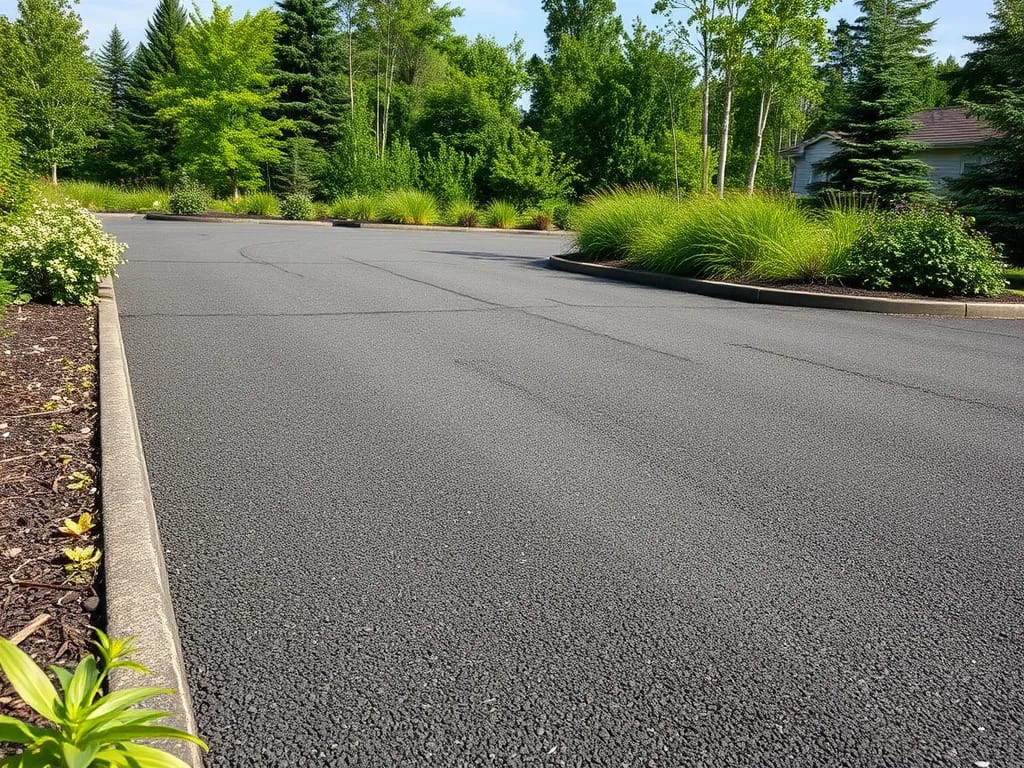
The asphalt surface comes next. For most pathways and sidewalks, we use a fine‑graded asphalt mix that leaves a smoother finish than a typical parking lot mix. On projects that will see bike and stroller traffic, we often recommend an even tighter surface mix that reduces small surface stones, which makes it more comfortable and safer. The asphalt is laid with a small paver where access allows, or hand‑placed and compacted in tighter areas.
Compaction is critical. Our crew uses steel drum and plate compactors to get proper density and a uniform surface. In Tallahassee heat, asphalt can stay workable a bit longer, but in the summer sun it can also cool quickly on shaded sections, so we plan crew size and paving sequence to avoid cold joints that can ravel or crack later.
Design Options for Sidewalks and Trails
A big advantage of asphalt pathway paving is flexibility in layout and appearance. With Precision Asphalt Tallahassee you can choose path widths, alignments, and finishes that match how the space will be used.
For residential sidewalks along driveways or through yards, 4 to 5 feet wide is common. Community walking loops, greenway connections, and school or campus paths often run 6 to 8 feet wide so walkers, runners, and strollers can comfortably pass. Multi‑use trails that allow golf carts or service vehicles might go 8 to 10 feet wide or more. We will walk through different width options with you based on your goals and local code requirements.
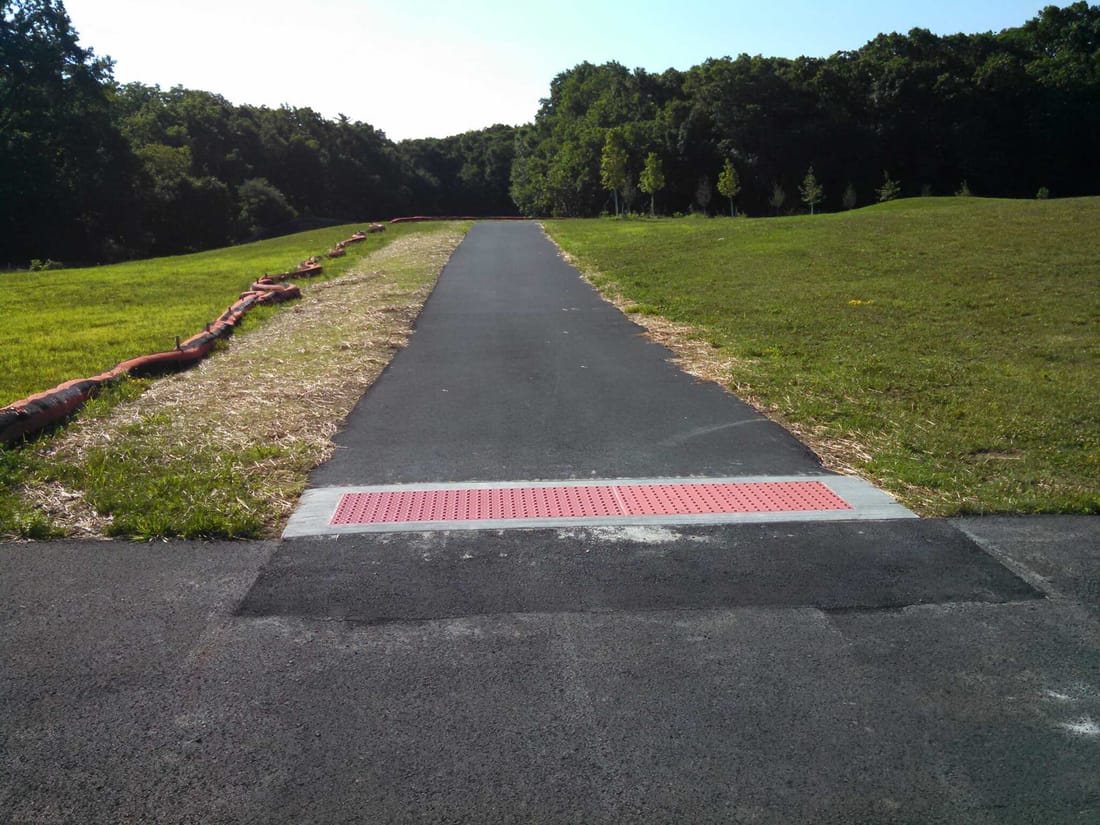
Curves and intersections are another key design point. Gentle curves are more comfortable for users and easier for strollers and bikes. At intersections with parking lots or driveways, we adjust grades and add transitions so there is no abrupt lip that could catch a wheelchair or bike tire. If ADA accessibility is a priority, we design slopes to meet current accessibility guidelines and coordinate with any concrete curb ramps you may need.
You can also choose edging and borders. Asphalt itself can be finished with a neat, compacted edge into the soil for a natural look, or we can install concrete or paver borders where you want a more defined, decorative separation. In tree‑heavy areas of Tallahassee, we often leave small setback zones from large trunks so the path can be adjusted or patched later if roots start to lift the surface.
For parks and natural areas, we can use darker, fine‑grained mixes that blend into the surroundings and avoid overly reflective surfaces. Striping, centerlines, and directional markings are available for longer trails, and we can add textured transitions or painted warnings at crosswalks and intersections as needed.
Costs, Lifespan, and Tallahassee‑Specific Considerations
The cost of asphalt pathway paving in Tallahassee depends on a few main factors: length and width, thickness of the asphalt and base, how much earthwork is needed, and how easy it is to access the route. A straight, open pathway through a level yard is more economical than a winding trail that requires tree removal, drainage work, or hauling material down a narrow access lane.
For most light‑use walkways, we use a 2 to 3 inch asphalt layer over the stone base. Heavier use areas or routes that carry small maintenance vehicles may need 3 to 4 inches. More thickness adds cost but also extends lifespan and reduces the chance of depressions forming over time.
In North Florida, asphalt surfaces on well built bases typically last 15 to 25 years for pedestrian use, provided they are sealed and maintained. Intense sun and frequent rain in Tallahassee can age asphalt faster if it is not protected. We talk honestly about expected lifespan for your specific site based on shade, drainage, traffic, and tree root pressure.
Seasonal timing matters. Spring and fall are often ideal for new pathways, since temperatures allow controlled compaction and less risk of sudden storms. Summer work is very possible, and we do a lot of it, but we plan for early starts and keep a close eye on radar to avoid paving right before a cloudburst. If fresh asphalt gets heavy rain before it has cooled and set, you can end up with surface marks or scarring.
Utility access is another cost factor. If a planned path crosses over water or sewer lines that may need future work, we may recommend thicker base or a slightly different route. This can reduce the risk of having to cut and patch the path later when a utility crew needs to dig.
During your estimate, Precision Asphalt Tallahassee will break down labor, materials, base work, and any extras like striping or edging, so you know where each dollar is going and can adjust the design to match your budget.
Maintenance, Repairs, and What to Ask Before You Hire
Asphalt pathways and sidewalks are low‑maintenance if they are built correctly, but they are not maintenance‑free. In Tallahassee, the combination of tree roots, moisture, and summer heat calls for a simple routine to keep paths in good shape.
Every year or so, walk your path and look for low spots that hold water after a rain, small cracks, or areas where roots are starting to lift the surface. Early crack sealing keeps water out of the base, which helps avoid bigger failures. Precision Asphalt Tallahassee offers crack filling, patching, and overlay services specifically for pathways and trails, so you do not have to rebuild the whole thing just because one area is failing.
Sealcoating is not always required for low‑traffic paths, but it can protect the surface from UV damage and help it shed water. For most neighborhood and park paths, we recommend evaluating sealcoat every 3 to 5 years, considering sun exposure and traffic. We will tell you honestly if your path would really benefit from sealing or if you are fine without it for a while.
When roots do cause issues, we look for targeted solutions. Sometimes we can mill or cut just the raised area, address the root problem with an arborist if needed, and then place a compacted patch that blends smoothly into the surrounding surface. On longer trails, we might recommend a partial overlay, which adds a new thin layer of asphalt over a section to restore smoothness without removing everything.
Before you hire any contractor to build an asphalt pathway, sidewalk, or trail in Tallahassee, ask a few key questions. What base thickness are they planning and why. How will they handle drainage and cross slopes in heavy rains. What asphalt mix will they use for a walking surface, not just a parking lot. How will they protect nearby lawns and landscaping during construction. At Precision Asphalt Tallahassee we walk through these answers on site, show you typical cross sections, and explain where you can save money and where you should not cut corners so your new path stays safe, smooth, and attractive for years.